Local GuidesWaste Management
How to dispose of hazardous waste in Live Oak safely
Disposing of hazardous waste in Live Oak requires careful planning. This guide covers safe disposal methods and local regulations.
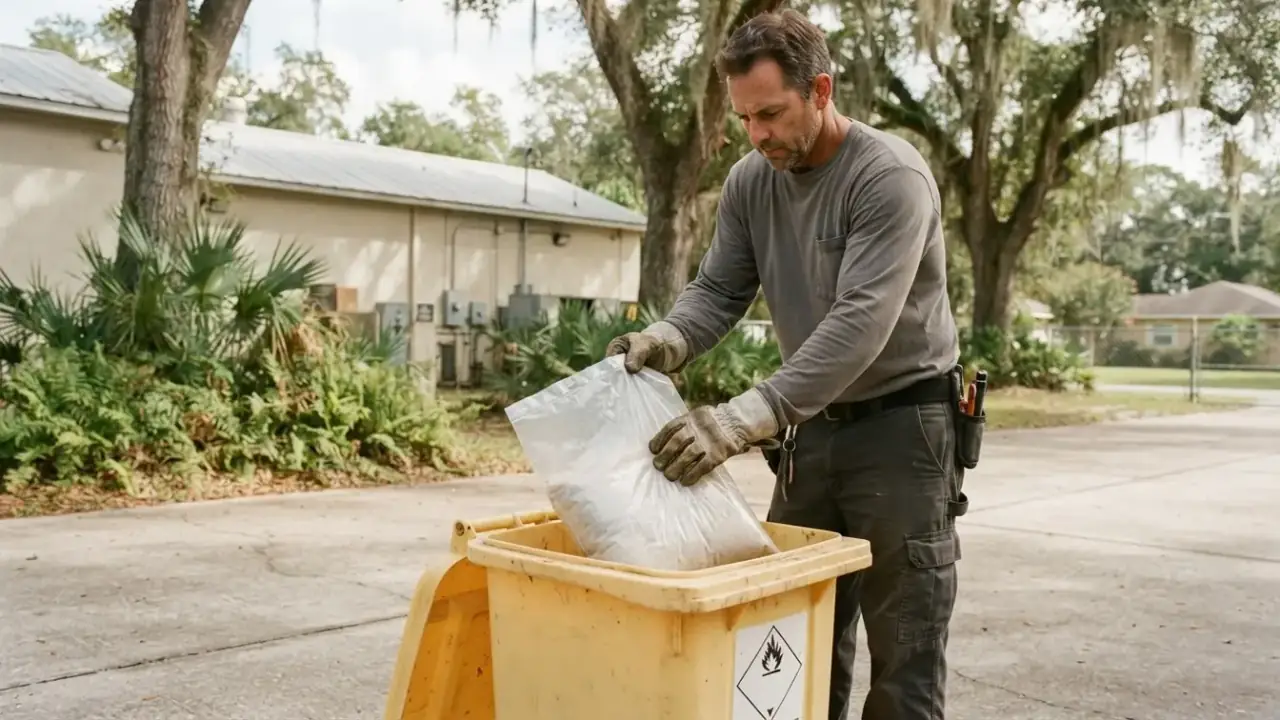
Disposing of hazardous waste in Live Oak requires understanding local regulations and safe disposal methods. Proper disposal protects both the environment and public health, ensuring that harmful substances don't contaminate land or water sources.
This article will cover what hazardous waste is, the importance of safe disposal, local regulations, identification methods, safe disposal options, common mistakes to avoid, and when to seek professional help.
What is hazardous waste?
Hazardous waste is any waste material that poses a significant risk to human health or the environment. This includes substances that are toxic, flammable, corrosive, or reactive. Common examples include batteries, chemicals, paints, and certain electronic devices.
Why is safe disposal important?
Safe disposal of hazardous waste is crucial for several reasons. Firstly, it helps prevent environmental contamination, which can lead to serious health issues for the community. Secondly, improper disposal can result in legal penalties for individuals and businesses. Lastly, proper management of hazardous materials supports sustainable waste practices.
Local regulations for hazardous waste in Live Oak
In Live Oak, Florida, residents must adhere to specific regulations regarding hazardous waste disposal. The Suwannee County Solid Waste Department oversees these regulations, which include designated disposal days and approved collection centers. It's essential to stay informed about local guidelines to avoid fines and ensure safe practices.
How to identify hazardous waste
Identifying hazardous waste involves checking product labels and understanding the characteristics of the waste. Look for warning symbols, phrases such as "toxic," "flammable," or "corrosive," and any specific disposal instructions. If unsure, consult local waste management resources for guidance.
Safe disposal methods in Live Oak
There are several safe disposal methods for hazardous waste in Live Oak:
- Drop-off centers: Utilize local drop-off centers specifically designed for hazardous materials. These facilities ensure safe handling and disposal.
- Community collection events: Participate in scheduled hazardous waste collection events organized by the county.
- Professional services: When in doubt, hire a professional hazardous waste disposal service. They have the expertise to manage and dispose of waste safely.
For instance, Mega Dumpster rentals provides hazardous waste disposal services, ensuring compliance with local regulations.
Common mistakes to avoid
When disposing of hazardous waste, avoid these common mistakes:
- Mixing hazardous waste with regular trash, which can lead to contamination.
- Ignoring local regulations, resulting in fines.
- Failing to label containers properly, which can pose risks to waste handlers.
When to call a professional
If you are unsure about how to dispose of hazardous materials or have large quantities, it's best to call a professional. Services like Mega Dumpster rentals can assist with hazardous waste disposal, ensuring compliance and safety.
Frequently Asked Questions
1. What types of waste are considered hazardous?
Hazardous waste includes batteries, chemicals, paints, and certain electronic devices. Always check local regulations for specific definitions.
2. How can I find a hazardous waste disposal site in Live Oak?
Check with the Suwannee County Solid Waste Department for local drop-off sites and scheduled collection events.
3. What should I do if I accidentally mix hazardous waste with regular trash?
Contact local waste management authorities immediately for guidance on how to rectify the situation and ensure safety.
4. Are there costs associated with hazardous waste disposal?
Most community events are free, but some drop-off sites may charge fees. Check with local authorities for specifics.
5. Can businesses dispose of hazardous waste the same way as residents?
Businesses often have different regulations and may require specialized disposal services. Consult local regulations for details.